
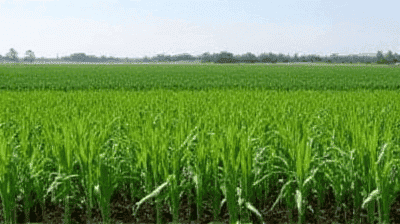
In the quest for sustainable agriculture, one of the most effective yet often overlooked practices is the use of cover crops. Cover crops are plants grown primarily to improve soil health rather than for harvest. These crops serve various purposes, from preventing soil erosion to enhancing nutrient availability and reducing the need for chemical inputs.
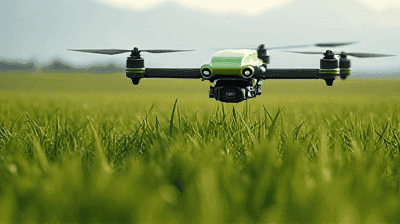
The agriculture industry is experiencing a transformative revolution fueled by advancements in technology. As the global population continues to grow, the demand for sustainable food production intensifies.

As the global population continues to grow and climate change accelerates, the interconnected issues of deforestation and hunger loom larger than ever. Deforestation, driven by agricultural expansion, logging, and infrastructure development, has far-reaching impacts on ecosystems, biodiversity, and the climate.
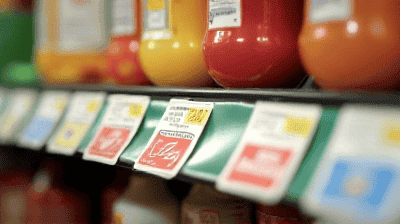
Expiration dates are a common fixture on food packaging, often dictating what we eat and when we throw food away. While these dates are designed to protect consumers and ensure food safety, they can also lead to significant confusion and waste.
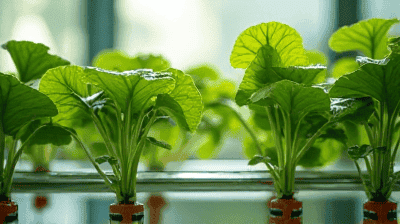
As the world grapples with the challenges of feeding a growing population while combating climate change, sustainable farming methods have emerged as viable solutions. Among these methods, aquaponics and hydroponics have gained significant attention for their potential to produce food efficiently while minimizing environmental impact.